
10 World's Best Luxury Brands In India 2026

India's luxury market just crossed USD 10.6 billion. That number used to feel like a forecast. In 2026, it is the floor.
The country now has over 700,000 high-net-worth individuals, a middle class that will make up 61% of the population by 2047, and a generation of consumers who grew up watching global culture on their phones and now want to own a piece of it. The DLF Emporio crowd in Delhi and the Jio World Plaza crowd in Mumbai look different from five years ago. Younger. More deliberate. Less interested in logos for the sake of logos, more interested in the story behind the object.
This list covers the ten luxury brands that have genuinely earned their position at the top of the Indian market in 2026, what makes each of them worth the price, and why Indian consumers in particular have connected with them.
Key Stats Before We Begin
India's luxury goods market is valued at USD 10.6 billion in 2025 and headed to USD 18.8 billion by 2034 (IMARC Group)
Watches and jewellery lead all luxury categories at 38.5% market share
India has over 700,000 HNWIs as of 2024, the primary drivers of luxury consumption
North India holds 35.45% of the market, with Mumbai and Delhi as the two dominant luxury retail hubs
The luxury e-commerce market in India is growing at 27% CAGR
1. Louis Vuitton
There is no list of luxury brands in India without Louis Vuitton at or near the top, and that position has been earned over decades of consistent brand building rather than just heritage.

Louis Vuitton entered India through DLF Emporio in Delhi and quickly became the benchmark against which Indian luxury consumers measured everything else. The monogram canvas is one of the most recognised symbols of premium aspiration in the country. What keeps LV relevant in 2026 is not nostalgia but execution. The brand's ability to balance its classic codes with contemporary collaborations, limited drops, and a genuine digital presence means it continues to capture both the established HNI buyer and the younger consumer making their first serious luxury purchase.
In India specifically, LV has benefited from the wedding economy. The Indian luxury wedding is now a genuine category unto itself, and Louis Vuitton luggage, accessories, and ready-to-wear feature heavily in trousseau purchases and gifting at the top end of the market.
Why India loves it: Universally understood as a status marker. Strong gifting culture alignment. One of the few brands that holds resale value in the Indian secondary market.
2. Rolex
Rolex occupies a category of its own in India. While most luxury fashion brands operate in a world of seasons and trends, Rolex has built something more durable: it is perceived as a store of value, a family asset, and a milestone marker all at once.

The Indian relationship with watches goes back to the watch as a gift from father to son, from employer to employee, from bride's family to groom. Rolex sits at the pinnacle of that tradition. Authorised dealer waitlists for the Submariner and Daytona in Mumbai and Delhi mirror the situation in Geneva and Hong Kong. That scarcity is not manufactured anxiety, it is a function of genuine production limits against genuinely expanding demand.
In 2026, Rolex's India presence has grown significantly through expanded authorised dealer networks in tier 2 cities, where new wealth has been accumulating quietly for the better part of a decade. The brand does not advertise aggressively but it does not need to. Word of mouth and aspiration do the work.
Why India loves it: Tangible investment value. Generational gifting tradition. Scarcity drives desirability rather than eroding it.
3. Gucci
Gucci's story in India is inseparable from the maximalist revival of the Alessandro Michele era and the more restrained but equally distinctive direction under Sabato De Sarno since 2024. In both phases, the brand has remained aspirational, visible, and culturally referenced in a way that very few luxury houses manage simultaneously.

Indian consumers, particularly in the 28 to 45 demographic, have connected with Gucci's willingness to be bold. The brand's double G hardware, its loafers, its ready-to-wear collections, and its accessories have appeared consistently in Bollywood, on Indian celebrity social media, and at high-profile events. In a market where cultural visibility matters enormously, Gucci's penetration into Indian popular culture has given it an edge that goes beyond its retail footprint.
The brand's expansion into online channels through its own platform and through premium e-commerce partnerships has also made it more accessible to consumers in cities where there is no physical Gucci store, which in India covers a very large geography of new wealth.
Why India loves it: Bold, recognisable aesthetics that translate well to Indian sensibilities. Strong Bollywood and celebrity alignment. Accessible online.
4. Dior
Christian Dior's positioning in India sits slightly above the noise. Where some luxury brands compete loudly for visibility, Dior has built its Indian presence through quiet elevation, flagship experiences, and a very deliberate approach to which events and partnerships it associates with.

The house's haute couture credentials are unmatched, and that matters to Indian consumers who understand the difference. Dior's fine jewellery and the Lady Dior bag in particular have become genuine status objects in Mumbai and Delhi's top-tier social circuits. The brand's beauty and fragrance range has also built significant scale in India through selective retail and growing online distribution, which serves as an accessible entry point into the Dior world before consumers move to the main fashion line.
In 2026, Dior's India strategy has centred on experiential retail and private client events, the kind of invitation-only world that Indian HNIs find genuinely appealing rather than gimmicky.
Why India loves it: Haute couture heritage. Aspirational without being ubiquitous. Beauty and fragrance as a gateway category.
5. Chanel
Chanel's hold on the Indian luxury consumer is rooted in something that most fashion brands cannot replicate: it is a brand that women buy for themselves, not to be bought for them. In a market that has historically been driven by gifting and social signalling, that distinction is meaningful.

The No. 5 fragrance has been sold in India for decades and built the brand's recognition long before Chanel opened boutiques. Today the house operates in India through a carefully controlled retail presence and a fiercely protected brand identity. Price increases, which have been consistent and steep globally, have not dampened Indian demand. If anything, the perception that Chanel is becoming harder to access has strengthened its desirability among buyers who understand the market.
The classic flap bag and the 2.55 are genuine collectibles in India's emerging luxury resale market, with prices holding up well against original retail across most categories.
Why India loves it: Timeless design language. Strong female consumer base. Investment-grade accessories with strong resale fundamentals.
6. Cartier
Cartier in India is synonymous with two things: fine jewellery for significant occasions, and the Love bracelet as a symbol of relationships that matter. Both of those hooks are deeply embedded in the way Indian consumers at the top end of the market think about luxury purchases.
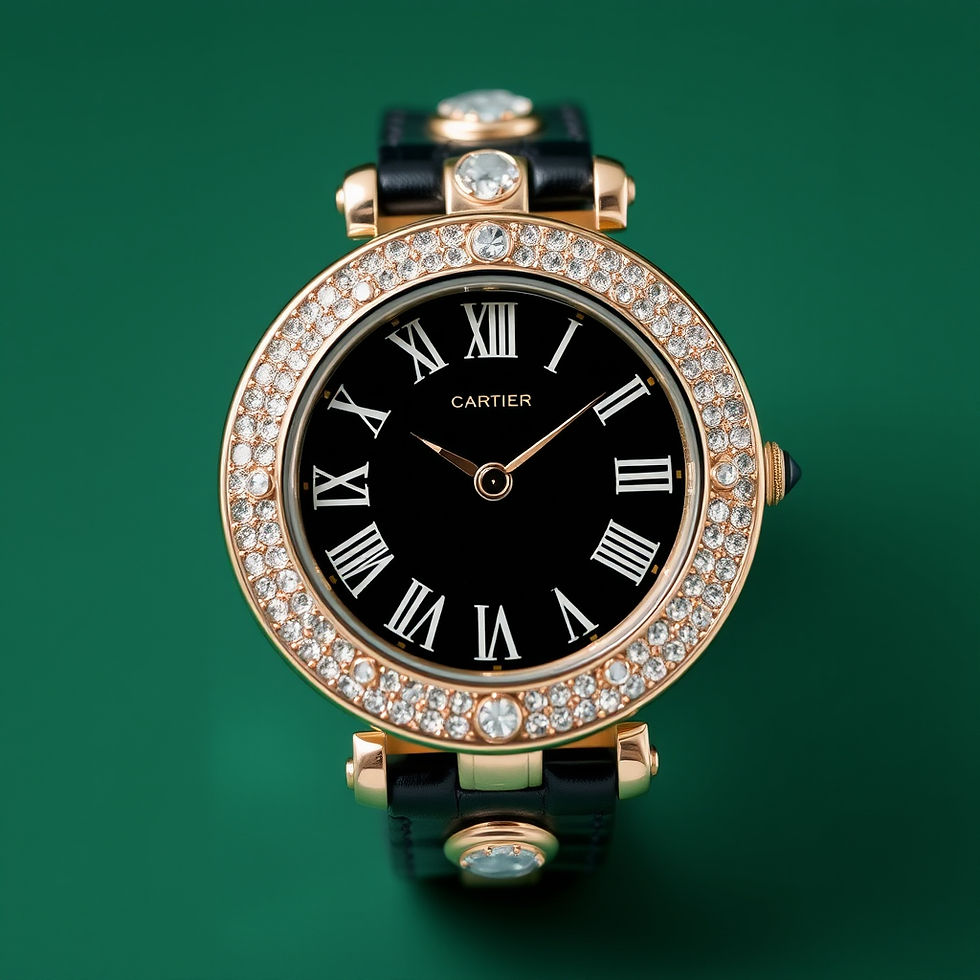
The brand's jewellery credentials are particularly important in India where the category dominates luxury spending. Cartier competes in a market where Indian consumers already have a sophisticated palate for fine jewellery from domestic heritage brands, which means the bar is genuinely high. What Cartier offers is the global status signal combined with a design language that travels well across cultures, important for an Indian buyer who moves between Mumbai, London, and Dubai regularly.
In 2026, Cartier's Santos watch collection has built significant traction in India's expanding luxury watch segment as an alternative to the more ubiquitous sports watches, appealing to consumers who want distinction over recognition.
Why India loves it: Jewellery leadership in the most important luxury category in India. Love bracelet as a gifting staple. Global recognition that carries across the Indian diaspora.
7. Prada
Prada's relationship with India has deepened considerably in the last three years. The brand's shift toward a quieter, more intellectual luxury code under Miuccia Prada and Raf Simons has found its audience among Indian consumers who are actively moving away from logo-heavy purchasing toward what the industry calls "stealth wealth."

The Prada Re-Nylon line and the brand's consistent sustainability messaging have also resonated with younger Indian luxury buyers who are thinking more carefully about the values behind what they purchase. This is a small but growing segment, and Prada is better positioned to capture it than most houses at its price point.
Prada's triangular logo, its leather goods, and the Galleria bag in particular have built a loyal Indian consumer base in the fashion set, those who follow seasonal collections and make considered purchases rather than impulse ones.
Why India loves it: Appeals to the informed luxury buyer. Sustainability credentials matter to younger HNIs. Strong ready-to-wear following in India's fashion community.
8. Burberry
Burberry occupies an interesting space in the Indian luxury hierarchy. The trench coat is one of the most iconic garments in fashion history and the brand's check pattern has enough global recognition to function as a luxury shorthand anywhere in the world.

In India, Burberry benefits from the London connection. There is a large and wealthy Indian diaspora in the UK, and a significant portion of Indian luxury spending happens during travel, particularly to London. Burberry captures that consumer both abroad and on return in India through its retail presence in Mumbai and Delhi.
The brand's evolution under Daniel Lee has refreshed its creative direction considerably, making it more relevant to consumers who might have seen Burberry as their parents' brand rather than their own. In 2026, that repositioning is reflected in stronger engagement from Indian consumers in their 30s who are forming the next wave of established luxury buyers.
Why India loves it: Strong London and diaspora connection. Classic codes that are universally recognised. Accessible entry price point relative to peers.
9. Omega
While Rolex leads the luxury watch category in India, Omega has built a formidable position directly beneath it. The brand's association with precision, with James Bond, with space exploration, and with the Olympics gives it a storytelling canvas that resonates strongly with Indian consumers who respond to narrative and heritage behind a product.

The Seamaster and the Speedmaster are both strong sellers in India's authorised dealer network. Omega's price positioning, which sits meaningfully below Rolex while still occupying genuine luxury territory, makes it the choice for consumers who want a serious mechanical watch from a house with credible history but are not ready to join an 18-month waitlist.
In India's tier 2 and tier 3 markets where luxury watch awareness is growing fastest, Omega often serves as the entry point into mechanical watchmaking, with consumers who later graduate to Rolex or Patek Philippe having frequently started their collection with an Omega piece.
Why India loves it: James Bond association is powerful across Indian consumer demographics. Accessible luxury price point within the watch category. Strong heritage narrative.
10. Ralph Lauren
Ralph Lauren closes this list as the brand that has perhaps done the most to build its Indian following through aspiration and cultural osmosis rather than aggressive retail expansion.

The Polo logo is one of the most widely recognised luxury markers among Indian consumers who have grown up watching American media and film. In India, Ralph Lauren operates through a selective retail presence but benefits enormously from a thriving grey market and from Indian consumers who purchase heavily during US and UK travel.
The brand's positioning around the American dream, classic tailoring, and the kind of effortless wealth that does not need to announce itself loudly has found genuine alignment with a specific and growing segment of the Indian market: the NRI returning home, the Indian executive with international exposure, and the younger consumer who wants to signal global cultural fluency rather than just brand awareness.
Why India loves it: Deep cultural penetration through American media and film. Strong NRI consumer base. Classic aesthetic that ages well and travels across dress codes.
Why The Indian Luxury Consumer Is Different
Understanding why these ten brands dominate in India requires understanding what makes the Indian luxury buyer distinct from their counterparts in Europe, the US, or even China.
Indian luxury consumption is still heavily occasion-driven. Weddings, festivals, business milestones, and family gifting rituals create purchasing moments that have no equivalent in most Western markets. A single Indian wedding can generate more luxury purchasing in a two-week window than an affluent Western family might make in a year.
At the same time, the market is maturing. The consumer who bought luxury for the first time five years ago is now buying their third or fourth piece and making more discriminating choices. Heritage, craftsmanship, and the story behind an object matter more than they did in the initial aspiration phase. This is why houses like Cartier, Chanel, and Dior, which have genuine depth to communicate, are growing faster in India than brands that rely primarily on logo recognition.
The modern Indian luxury buyer is younger, globally connected, and digitally savvy. They are investing in the story, heritage, and skill behind the product rather than just buying for the logo itself. This evolution in consumer mindset has pushed brands to move from conventional multi-brand outlets to curated mono-brand boutiques that deliver more immersive and controlled experiences.
Geography is also shifting. While cities like Mumbai and Delhi remain key hubs, interest is now growing rapidly in Tier 2 and Tier 3 cities. Consumers in these areas are confident, globally aware, and expect the same immersive retail experiences they would find in luxury capitals such as London or Dubai.
How Luxury Brands Build Their Indian Market Position
The brands on this list did not get here by accident. Building a luxury position in India requires a specific kind of discipline that most brands, even global ones, underestimate when they first enter the market.
Selective retail over mass presence. Every brand on this list controls its retail environment tightly. The store experience, the visual merchandising, the quality of client service, and even the location of the boutique all signal the brand's self-perception. Being in the right mall matters. Being in the wrong one costs years of brand equity.
Bollywood and cultural alignment. India's film and entertainment industry functions as a luxury amplifier unlike almost anything else in the world. A placement in the right film, a consistent presence on the right celebrity's social media, or an association with the right event can shift brand perception at scale in ways that paid media cannot replicate.
The gifting economy. Luxury brands that have cracked gifting in India, either through specific product formats, packaging designed for gifting occasions, or marketing timed to festivals and weddings, have built revenue streams that are structurally different from the Western transactional model.
Digital as discovery, offline as conversion. The younger luxury consumer in India prioritises lifestyle alignment, sustainability, and authenticity in their luxury consumption choices. They discover on Instagram, validate on YouTube, and convert in store. Brands that understand this funnel and invest in each stage proportionally are outperforming those that treat digital and physical as separate strategies.
This is also where marketing agencies that understand both the luxury codes and the Indian digital landscape become critical. Luxury brand communication in India is not the same as luxury communication in Paris or New York. The cultural references, the media landscape, the influencer ecosystem, and the purchase triggers are all specific to this market, and the brands that perform best are the ones that have invested in understanding that specificity.
FAQ
Q) Which is the number one luxury brand in India in 2026?
A. Louis Vuitton consistently ranks as the most recognised and purchased luxury fashion brand in India. In the watches and jewellery category, which leads all luxury segments at 38.5% market share, Rolex holds the dominant position. Both brands benefit from strong gifting traditions, high resale value, and decades of brand building in the Indian market.
Q) Is the luxury market in India growing?
A. Significantly. India's luxury goods market was valued at USD 10.6 billion in 2025 and is projected to reach USD 18.8 billion by 2034, growing at a CAGR of 6.17%. The primary growth drivers are rising disposable incomes, an expanding affluent class, and growing consumer interest in premium experiences across both metro and tier 2 markets.
Q) Which city in India has the highest luxury brand presence?
A. Mumbai and Delhi are the two dominant luxury retail hubs, housing flagship boutiques for most of the major global houses. North India currently holds around 35.45% of the total luxury market share. Mumbai leads in fashion and lifestyle luxury while Delhi is strong across categories including watches, jewellery, and automotive.
Q) Are luxury brands expanding into tier 2 cities in India?
A. Yes, and faster than most people expect. Brands like Omega, Ralph Lauren, and Burberry are seeing growing demand from consumers in cities like Pune, Ahmedabad, Hyderabad, and Chandigarh. Digital channels have accelerated this, giving consumers in cities without physical luxury boutiques access to the full brand experience online and driving purchase intent that converts when they travel to metros or shop internationally.
Q) How do luxury brands market themselves in India differently from global markets?
A. The Indian luxury marketing mix weighs Bollywood and celebrity alignment more heavily than most Western markets. Festival and wedding season timing is critical. Gifting-specific communication around Diwali, Dussehra, and wedding season can drive a disproportionate share of annual revenue. And increasingly, digital-first discovery through Instagram and YouTube is how the next generation of Indian luxury consumers first encounters and evaluates a brand before ever walking into a store.
The Bottom Line
India's luxury market in 2026 is sophisticated, fast-moving, and increasingly on the global radar of every major luxury house. The ten brands on this list have earned their positions through a combination of heritage, cultural intelligence, product quality, and a willingness to invest in understanding the Indian consumer specifically rather than treating India as a scaled-down version of a Western market.
The next five years will see the gap between brands that understand India and brands that are still figuring it out widen considerably. The consumer is ready. The market is there. What matters now is execution.
If you are a luxury brand looking to build or strengthen your position in the Indian market, the conversation starts with understanding the ecosystem: the media, the influencers, the events, the cultural moments, and the consumer psychology that make India unlike anywhere else. That is exactly what Zutsu Media does.
Zutsu Media is a 360 degree marketing and production agency headquartered in Mumbai, working with brands across 18 plus industries including luxury, fashion, lifestyle, BFSI, and entertainment across India and the APAC region.
Comments